Eye Health: How Eyes Work, Common Problems and How to Protect Vision
Good eye health means more than seeing clearly today. It also means catching problems early and keeping the eyes working well as the years pass. This overview explains how the eyes work, which problems tend to appear at different ages, who is at higher risk, and where nutrition and supplements fit in. It is general information, and an eye doctor is the right person to diagnose or treat any vision problem.
- The eye focuses light onto the retina, and the optic nerve sends signals to the brain, so problems in any part can affect vision.
- Many eye conditions develop slowly and without pain, so regular dilated eye exams matter.
- Risk rises with age, family history, diabetes, smoking and unprotected sun exposure.
- Daily habits such as not smoking, wearing sunglasses, eating well and taking screen breaks may support eye health.
- Supplement research is strongest for specific stages of macular degeneration; evidence is limited elsewhere, so check with an eye doctor.
How the eyes work
The eye works much like a camera. Light enters through the clear front surface, and the eye focuses it onto the retina at the back. The retina turns that light into signals, and the optic nerve carries those signals to the brain, which builds the image a person sees[1].
Each part has a job, and a problem in any one of them can affect vision. The front of the eye helps focus light. The retina, including its central area, handles detail. The optic nerve connects the eye to the brain[1].
Because the parts work together, many eye conditions develop slowly. A person may not notice a change until it has progressed, which is one reason regular eye exams matter[2].
How eye problems develop
Eye problems have different causes. Some come from the shape of the eye, which affects focus. Others come from changes in the lens, retina or optic nerve over time, or from other health conditions that affect the eye[3].
Some problems are short-term and tied to daily habits. Long stretches of screen use, for example, can cause tired, dry or uncomfortable eyes. The American Academy of Ophthalmology describes this as digital eye strain, and it is often linked to blinking less and to long periods of close focus[4]. More detail is on the eye strain page.
Other problems are tied to aging or to disease and may be gradual. They can affect vision without pain, so a lack of symptoms does not always mean the eyes are healthy[2].
Common eye problems by age
Different problems are more common at different life stages. The list below is a general guide, not a diagnosis.
- Children and young adults: Refractive errors, which cause blurry vision because of how the eye focuses light, are among the most common vision problems[3].
- Adults of any age: Eye strain and dry eyes are common complaints, especially with heavy screen use[4].
- Middle age and older: Age-related conditions become more likely. These include cataracts, a clouding of the lens, as well as glaucoma and age-related macular degeneration[1].
- People with diabetes: Diabetes can damage the blood vessels in the retina, a condition called diabetic retinopathy[3].
Age-related macular degeneration affects the central part of the retina and is a leading concern in older adults. The macular degeneration page covers it in more depth[1].
Who is at higher risk
Risk depends on age, genes, health conditions and habits. The National Eye Institute points to several factors that matter for eye health, including family history, other health conditions such as diabetes, and lifestyle choices like smoking[2].
Other factors worth knowing:
- Age: Several serious eye diseases become more common as people get older[1].
- Family history: Asking relatives about eye conditions can help an eye doctor judge risk[2].
- Chronic conditions: Diabetes and other health problems can affect the eyes, so managing them matters[2].
- Smoking: Not smoking is one of the habits recommended for protecting vision[2].
- Sun exposure and injury: Eyes can be harmed by ultraviolet light and by accidents, which is why sunglasses and protective eyewear are advised[2].
Having a risk factor does not mean a person will develop a problem. It means regular exams are more important.
Everyday habits that protect vision
Most advice for protecting the eyes is simple and does not require any product. The National Eye Institute recommends these steps[2]:
- Get a comprehensive dilated eye exam on the schedule an eye doctor recommends.
- Eat a healthy diet and maintain a healthy weight.
- Be physically active.
- Do not smoke.
- Wear sunglasses that block ultraviolet light.
- Wear protective eyewear during sports, home repairs and similar activities.
- Wash hands before handling contact lenses and follow lens care instructions.
For screen use, the American Academy of Ophthalmology suggests taking regular breaks and remembering to blink. A common approach is the 20-20-20 rule: every 20 minutes, look at something about 20 feet away for about 20 seconds[4].
See an eye doctor promptly for sudden vision changes, eye pain, flashes or new floaters. Supplements and home habits are not a substitute for an exam.
Nutrition and supplements: a short preview
A balanced diet is part of the National Eye Institute's advice for keeping eyes healthy[2]. Vitamin A is one clear example of a nutrient the eye needs. Severe vitamin A deficiency can cause eye problems, though it is uncommon in the United States, and too much preformed vitamin A can be harmful[5].
The strongest research on supplements and eye disease comes from the Age-Related Eye Disease Studies. In AREDS and AREDS2, specific nutrient combinations were studied in people who already had certain stages of age-related macular degeneration[6]. AREDS2 tested lutein and zeaxanthin and omega-3 fatty acids as additions to the original formula. In that trial, omega-3 fatty acids did not show added benefit[7]. More on those carotenoids is on the lutein and zeaxanthin page.
These results apply to a specific group of people, not to everyone. They do not show that supplements prevent or cure eye disease, and evidence for many other ingredients is limited. Anyone considering a supplement should talk with an eye doctor first, especially since some nutrients can cause harm at high doses or interact with medicines[5].
The supplements page on this site looks at ingredients and evidence in more detail.
Eye supplements we have reviewed
Want to compare products? Read what the research says about nutrients for eye health first, then compare the products below.
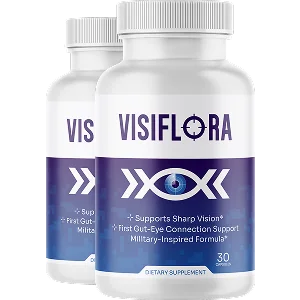
VisiFlora
Listed ingredients include vitamin C, vitamin E, copper and selenium. Vitamin C, vitamin E and copper are components of the AREDS-type formulas studied in specific stages of macular degeneration, but this product's amounts and combination were not tested in those trials. For the other listed ingredients, such as astaxanthin, ginkgo biloba, eyebright and coleus forskohlii, no good evidence for general eye health was found in the sources reviewed.
Listed ingredients: Astaxanthin, Vitamin C, Vitamin E, Copper, Selenium, Chromium
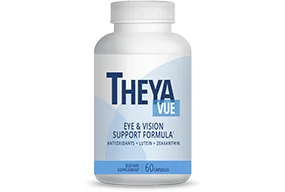
TheyaVue
Listed ingredients include lutein, zeaxanthin, vitamin C, vitamin E and zinc. Lutein and zeaxanthin were studied in AREDS2 for people with certain stages of macular degeneration, and the other nutrients are part of the AREDS-type formula. These findings do not show that this product works, and the sources reviewed do not support benefits for the remaining ingredients, such as bilberry or rutin.
Listed ingredients: Lutein, Zeaxanthin, Vitamin C, Calcium, Vitamin E, Bilberry Extract
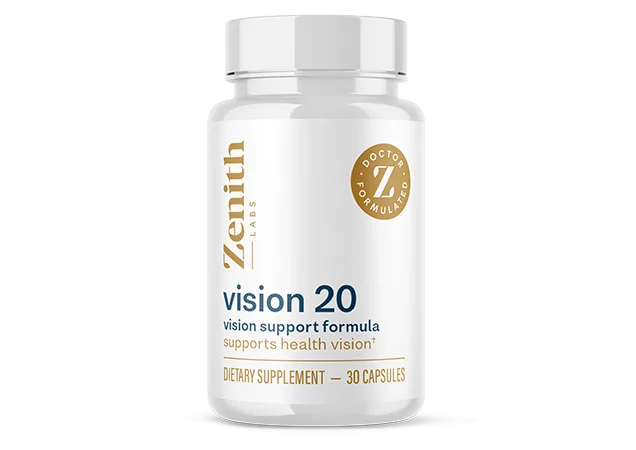
Vision 20
Listed ingredients include lutein, zeaxanthin, zinc and vitamin A as retinyl palmitate. Lutein, zeaxanthin and zinc relate to the AREDS2 research in specific macular degeneration stages. Vitamin A matters for the eye, but too much preformed vitamin A can be harmful. The sources reviewed show no good evidence for ingredients such as taurine, lycopene or bilberry.
Listed ingredients: Lutein, Zeaxanthin, Zinc, Beta-carotene, Lycopene, Rose Hips
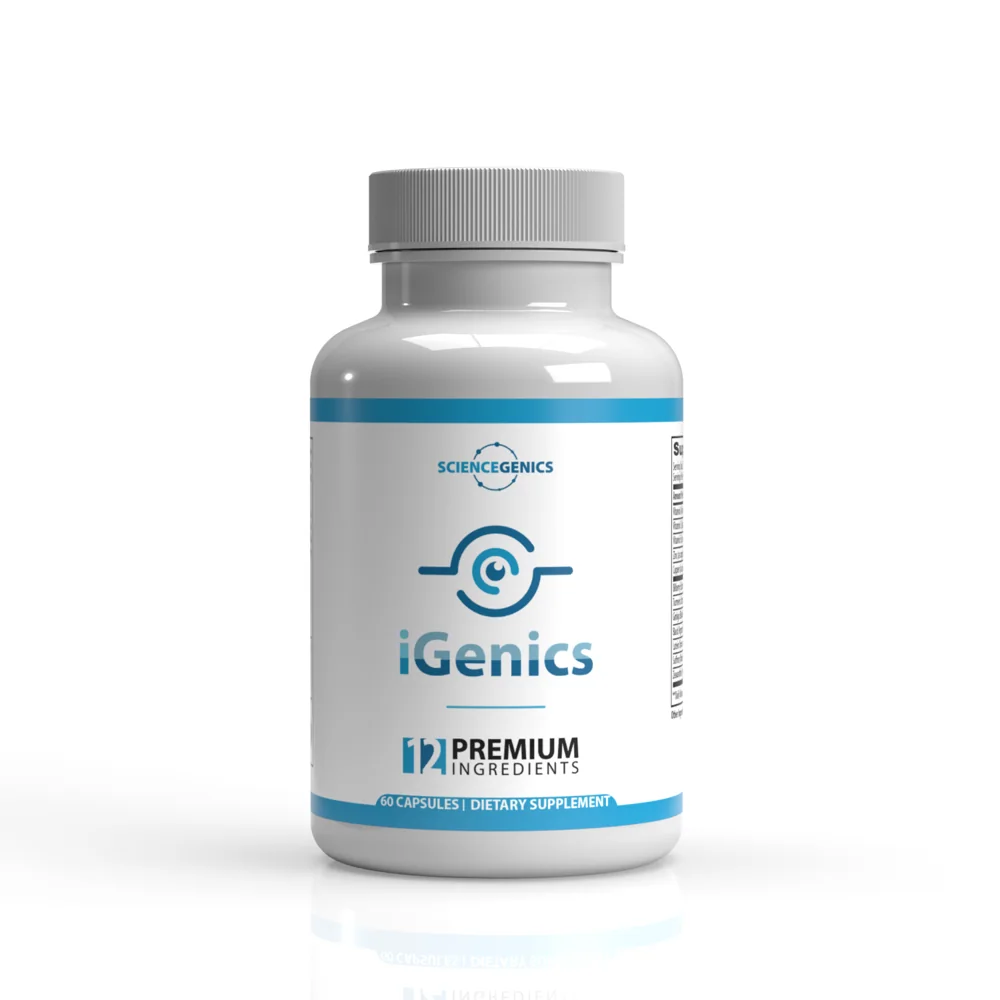
iGenics
The listing says it contains AREDS-2 formula ingredients but does not itemize them, so the amounts cannot be compared with those studied. The AREDS2 research applied to people with certain stages of macular degeneration. The sources reviewed show no good evidence for the other listed ingredients, such as ginkgo biloba, saffron or turmeric.
Listed ingredients: Ginkgo biloba, AREDS-2 formula ingredients (not itemized), Bilberry, Saffron, Turmeric + BioPerine
Frequently asked questions
How often should I get my eyes checked?
The right schedule depends on age, health conditions and family history, so an eye doctor is the best guide. The National Eye Institute recommends a comprehensive dilated eye exam as part of keeping eyes healthy[2]. Exams can find problems before symptoms appear.
Can screen time damage my eyes permanently?
Screen use is linked to digital eye strain, which can cause tired or dry eyes and discomfort[4]. Taking breaks, blinking and using the 20-20-20 rule may help with comfort[4]. Anyone with lasting symptoms should see an eye doctor.
Do eye supplements prevent vision loss?
No supplement has been shown to cure or prevent eye disease in general. The AREDS research studied particular nutrient formulas in people with certain stages of age-related macular degeneration[6]. Evidence for other uses is limited, so ask an eye doctor before starting one.
Is vitamin A good for my eyes?
The eye needs vitamin A, and a severe deficiency can cause eye problems, but deficiency is uncommon in the United States[5]. Taking too much preformed vitamin A can be harmful[5]. A doctor can advise on whether extra is appropriate.
Sources
- National Eye Institute: Learn about eye health
- National Eye Institute: Keep your eyes healthy
- MedlinePlus: Eye diseases
- American Academy of Ophthalmology: Computers, digital devices and eye strain
- NIH Office of Dietary Supplements: Vitamin A fact sheet
- National Eye Institute: Age-Related Eye Disease Studies (AREDS/AREDS2)
- AREDS2 Research Group. JAMA 2013: lutein + zeaxanthin and omega-3 fatty acids for AMD