Eye Health FAQ: Answers to Common Questions
Questions about eye health usually start with a small worry: tired eyes after work, a family history of vision problems, or a label that promises sharper sight. This page answers nine common questions using guidance from eye-health authorities. It is general information and does not replace an exam or advice from an eye doctor.
- Many eye diseases cause no early symptoms, so regular dilated eye exams matter[1].
- Screen-related eye strain is common and usually manageable with breaks and blinking[2].
- A nutrient-rich diet, not smoking, UV-blocking sunglasses and protective eyewear are core habits[1].
- Specific supplement formulas were studied for people with intermediate macular degeneration, not for healthy eyes in general[3].
- Sudden vision changes need prompt attention from an eye doctor.
How the eyes work, in brief
Light enters through the clear front surface of the eye and is focused onto the retina at the back. The retina turns light into signals that travel to the brain, which builds the image. Problems can arise anywhere along that path, which is why eye conditions vary so much. Common examples include refractive errors, cataracts, glaucoma, diabetic eye disease, and age-related macular degeneration[4][5].
A note on supplements
Food, not-smoking, and regular exams carry the strongest general guidance for eye health[1]. Supplements have been studied mainly for one situation: intermediate or advanced age-related macular degeneration[3]. Anyone considering a supplement should first discuss it with an eye doctor or pharmacist, especially if they take other medicines.
Eye supplements we have reviewed
Want to compare products? Read what the research says about nutrients for eye health first, then compare the products below.
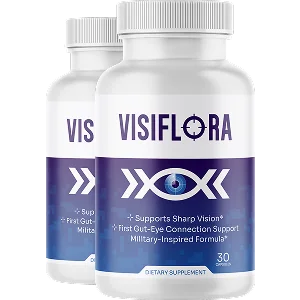
VisiFlora
Listed ingredients: Astaxanthin, Vitamin C, Vitamin E, Copper, Selenium, Chromium
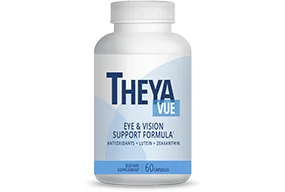
TheyaVue
Listed ingredients: Lutein, Zeaxanthin, Vitamin C, Calcium, Vitamin E, Bilberry Extract
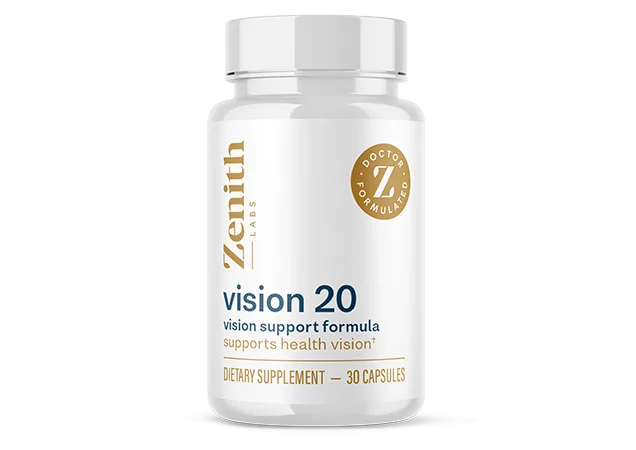
Vision 20
Listed ingredients: Lutein, Zeaxanthin, Zinc, Beta-carotene, Lycopene, Rose Hips
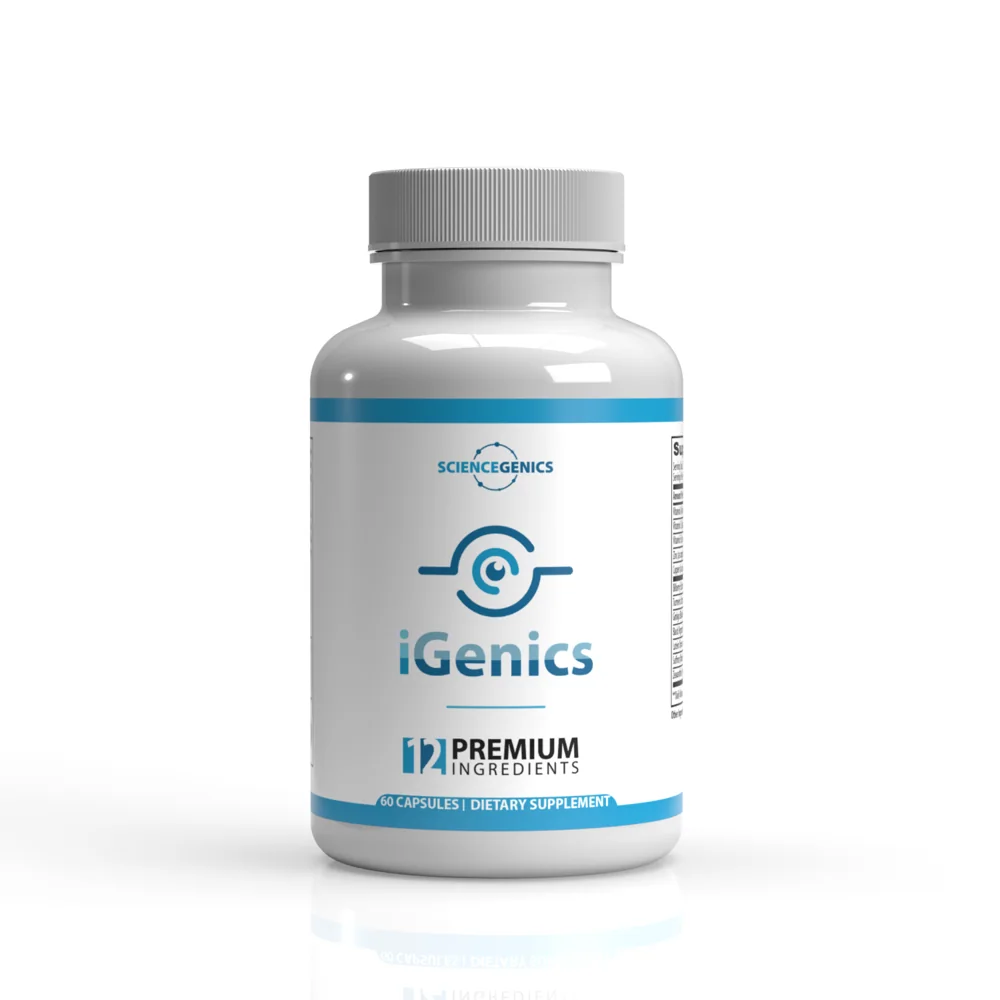
iGenics
Listed ingredients: Ginkgo biloba, AREDS-2 formula ingredients (not itemized), Bilberry, Saffron, Turmeric + BioPerine
Frequently asked questions
How often should I get an eye exam?
The right schedule depends on age, health, and family history, so an eye doctor should set it. A dilated eye exam can find some eye diseases before symptoms appear, which is the main reason exams are recommended even when vision seems fine[1]. People with diabetes or a family history of eye disease should ask about a more tailored schedule.
What are the most common eye problems at different ages?
Refractive errors such as nearsightedness, farsightedness, and astigmatism can occur at any age and are corrected with glasses, contacts, or sometimes surgery[4]. Later in life, conditions such as cataracts, glaucoma, and age-related macular degeneration become more common[4][5]. An eye doctor can explain which ones matter most for a given person.
Do computers and phones damage my eyes?
Long screen sessions can cause digital eye strain, with symptoms such as tired, dry, or blurry eyes and headaches[2]. The American Academy of Ophthalmology suggests taking regular breaks, blinking often, and adjusting screen position and lighting[2]. Persistent symptoms deserve an exam, since an outdated prescription can also be the cause. More on this is covered in the guide to eye strain.
Do carrots really improve eyesight?
Vitamin A is needed for normal vision, and a true deficiency can cause night blindness and other eye problems[6]. Deficiency is uncommon in the United States, and extra vitamin A has not been shown to sharpen vision in people who already get enough[6]. Too much preformed vitamin A can also be harmful, so high-dose products should not be taken casually[6].
Can supplements protect my eyes or prevent eye disease?
Evidence is limited outside one area. The AREDS and AREDS2 trials tested specific nutrient combinations in people with intermediate or advanced age-related macular degeneration, and the formulas were studied for slowing progression in that group[3][7]. These results do not show that the same supplements help healthy eyes or prevent disease in people without the condition. Supplements are not a cure for any eye disease, and an eye doctor should decide whether one fits.
What are lutein and zeaxanthin, and do I need them?
They are carotenoids found in leafy greens and other foods, and they are present in the retina. In AREDS2, lutein and zeaxanthin were tested as a replacement for beta-carotene in the original formula, and omega-3 fatty acids added no further benefit[7][3]. Whether extra amounts help people without macular disease is not established. See the overview of lutein and zeaxanthin for more detail.
How do I know if I have dry eyes, and what helps?
Typical signs include stinging, burning, a gritty feeling, and watery or tired eyes. Dry eye has several possible causes, so an eye doctor should confirm the diagnosis and suggest options. Blinking more during screen use and taking breaks may ease symptoms for some people[2]. The page on dry eyes covers this in more depth.
Can cataracts or macular degeneration be prevented?
No habit or supplement is proven to prevent either condition. General guidance includes not smoking, eating a healthy diet, and wearing sunglasses that block ultraviolet light, since these support overall eye health[1]. Cataracts involve clouding of the lens and are treated by an eye doctor[4]. For macular degeneration, early detection through exams is important[1].
Which daily habits protect my vision?
The National Eye Institute highlights several: eating a healthy diet with plenty of fruits and vegetables, staying physically active, not smoking, wearing sunglasses, and using protective eyewear during sports or home projects[1]. Knowing family eye history and getting dilated exams are also on the list[1]. Contact lens wearers should follow their eye doctor's cleaning and wear instructions.
When should I see an eye doctor right away?
Sudden vision loss, new flashes of light or floaters, eye pain, a curtain-like shadow over vision, or an eye injury should be checked promptly. These can signal conditions that need urgent care. Do not wait to see whether symptoms pass, and do not try a supplement instead of an exam.
Sources
- National Eye Institute: Keep your eyes healthy
- American Academy of Ophthalmology: Computers, digital devices and eye strain
- National Eye Institute: Age-Related Eye Disease Studies (AREDS/AREDS2)
- MedlinePlus: Eye diseases
- National Eye Institute: Learn about eye health
- NIH Office of Dietary Supplements: Vitamin A fact sheet
- AREDS2 Research Group. JAMA 2013: lutein + zeaxanthin and omega-3 fatty acids for AMD