Eye Health Signs & Symptoms: What to Watch For and When to Get Care
Many eye problems start quietly, and some cause no symptoms at all until vision has already changed. Knowing which signs are common, which are urgent, and what happens at an eye exam can help worried readers act at the right time. This page is general information, not a diagnosis, and an eye doctor is the right person to evaluate any change in vision.
- Many eye conditions cause no early symptoms, so regular dilated eye exams matter even when vision seems fine.
- Sudden vision loss, a curtain over vision, new flashes or floaters, severe pain, eye injury, or chemical exposure need same-day care.
- Common symptoms like blur, dryness, glare and headaches have many possible causes, and only an exam can sort them out.
- An exam typically checks sharpness, eye pressure, side vision, eye movement, and the front and back of the eye.
- Supplement research such as AREDS2 applies to specific stages of macular degeneration, not to prevention in people without a diagnosis.
Common signs and symptoms of eye problems
Eye diseases and conditions can show up in different ways. MedlinePlus lists a wide range of eye disorders, and many share a few warning signs[1]. Symptoms worth noticing include:
- Blurry or hazy vision, up close or far away
- Trouble seeing at night or in dim light
- Eye redness, itching, burning or a gritty feeling
- Watery eyes or unusually dry eyes
- Sensitivity to light or glare
- Headaches linked to using your eyes
- Seeing halos around lights
- Blind spots or dark areas in your field of view
A symptom alone does not point to one cause. Blurry vision, for example, can come from a simple need for glasses, from tired eyes, or from a condition that needs treatment. That is why a persistent change deserves an exam rather than guesswork.
Some conditions have no early symptoms. The National Eye Institute notes that regular eye exams are an important part of keeping eyes healthy for this reason[2].
Common problems and their usual signs by age
The National Eye Institute describes how eye needs and risks change across life[3]. The signs below are general patterns, not a way to self-diagnose.
Children and teens
Parents may notice squinting, sitting very close to screens, eye rubbing, or complaints about headaches. Children often do not realize their vision is different from anyone else's, so screening matters.
Adults
Screen-heavy work is a frequent source of discomfort. The American Academy of Ophthalmology describes digital eye strain as including tired, sore or dry eyes, blurred vision, and headaches, along with neck and shoulder discomfort[4]. If these symptoms sound familiar, see eye strain for habits that may help. Persistent irritation or a gritty feeling may relate to dry eyes, which an eye doctor can assess.
Older adults
Risk of several conditions rises with age. Cloudy or dim vision, glare, and faded colors can be associated with cataracts. Blurred or distorted central vision, or a dark spot in the center of view, can be associated with macular degeneration. Other conditions, including glaucoma and diabetic eye disease, can progress with few early symptoms[1]. Only an exam can tell these apart.
Red flags that need urgent or same-day eye care
Some changes should not wait for a routine appointment. Contact an eye doctor the same day, or go to an emergency department if one is not available, for any of the following:
- Sudden vision loss in one or both eyes, even if it seems to improve
- A curtain or shadow moving across your vision
- A sudden shower of new floaters or flashes of light
- Sudden double vision
- Severe eye pain, especially with nausea, headache, or halos around lights
- A red, painful eye with reduced vision or strong light sensitivity
- An eye injury from a blow, a sharp object, or something lodged in the eye
- Chemical exposure to the eye. Rinse with clean water right away and seek emergency care
- Sudden distortion, such as straight lines looking wavy
These signs can reflect problems where timing matters, such as retinal tears or detachment, acute pressure changes in the eye, infection, or injury. This list is not complete. If something about your vision feels sudden or wrong, treat it as urgent. Supplements and home remedies are not a substitute for prompt care.
How eye problems are diagnosed
Diagnosis starts with your symptoms and history, followed by tests that look at how well you see and at the health of the structures inside and outside the eye. The National Eye Institute recommends a comprehensive dilated eye exam as a way to find problems early, sometimes before symptoms appear[2].
During an exam, an eye care professional may check:
- Visual acuity, using a chart to measure how clearly you see at a distance and up close
- Eye pressure, which is one part of assessing glaucoma risk
- Side (peripheral) vision, to look for blind spots
- Eye movement and alignment
- The front of the eye, including the cornea, lens and surface tear film
- The back of the eye, including the retina and optic nerve, usually after dilating drops
Depending on findings, imaging or other tests may be added. Your eye doctor chooses these based on your age, symptoms and risk factors, and explains the results and next steps.
What to expect at an eye exam
A comprehensive exam usually takes a while, partly because of the dilation step. Knowing the flow can ease worry.
Before you go. Bring your current glasses or contacts, a list of medicines and supplements you take, and notes on your symptoms: when they started, whether they affect one eye or both, and what makes them better or worse. Also gather your family history of eye disease, since some conditions run in families[3].
During the visit. Expect questions about your health and vision, then a series of painless tests. Dilating drops widen the pupils so the doctor can see the back of the eye. They can cause blurry vision and light sensitivity for several hours, so sunglasses help and arranging a ride home may be wise.
Afterward. The doctor may update a glasses prescription, recommend a follow-up, suggest tracking a finding over time, or refer you to a specialist. Ask what changes to watch for and how soon to call if they occur.
The National Eye Institute also points to everyday habits that support eye health, including a healthy diet, not smoking, wearing sunglasses, and using protective eyewear when needed[2].
Where nutrition and supplements fit
Diet is one part of eye health, but it does not replace an exam. Vitamin A is needed for normal vision, and a deficiency can cause eye problems, though it is uncommon in the United States. Too much preformed vitamin A can also be harmful, so more is not better[5].
The National Eye Institute's AREDS and AREDS2 studies tested specific nutrient combinations in people who already had certain stages of age-related macular degeneration[6]. AREDS2 looked at adding lutein and zeaxanthin or omega-3 fatty acids to the original formula[7]. These findings apply to people at specific stages of that disease, as identified by an eye doctor. They do not show that supplements help people with no diagnosis. For background, see lutein and zeaxanthin.
If you are thinking about a supplement, talk to your eye doctor first, especially if you take medicines or have a diagnosed eye condition.
Eye supplements we have reviewed
Want to compare products? Read what the research says about nutrients for eye health first, then compare the products below.
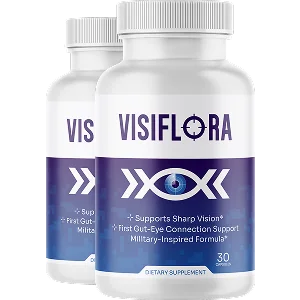
VisiFlora
Listed ingredients: Astaxanthin, Vitamin C, Vitamin E, Copper, Selenium, Chromium
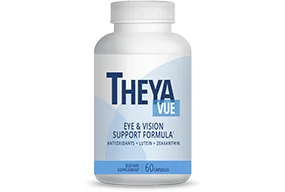
TheyaVue
Listed ingredients: Lutein, Zeaxanthin, Vitamin C, Calcium, Vitamin E, Bilberry Extract
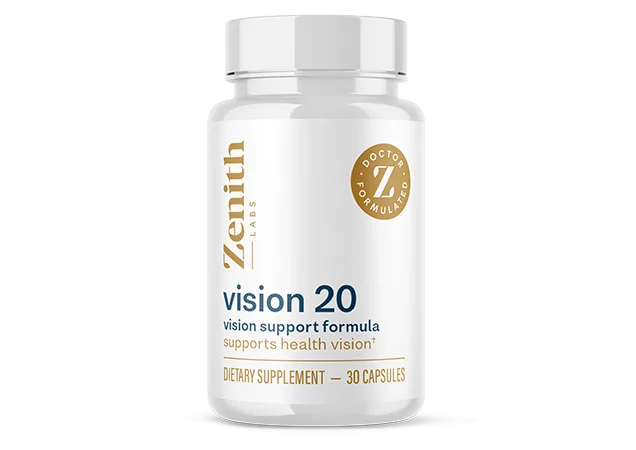
Vision 20
Listed ingredients: Lutein, Zeaxanthin, Zinc, Beta-carotene, Lycopene, Rose Hips
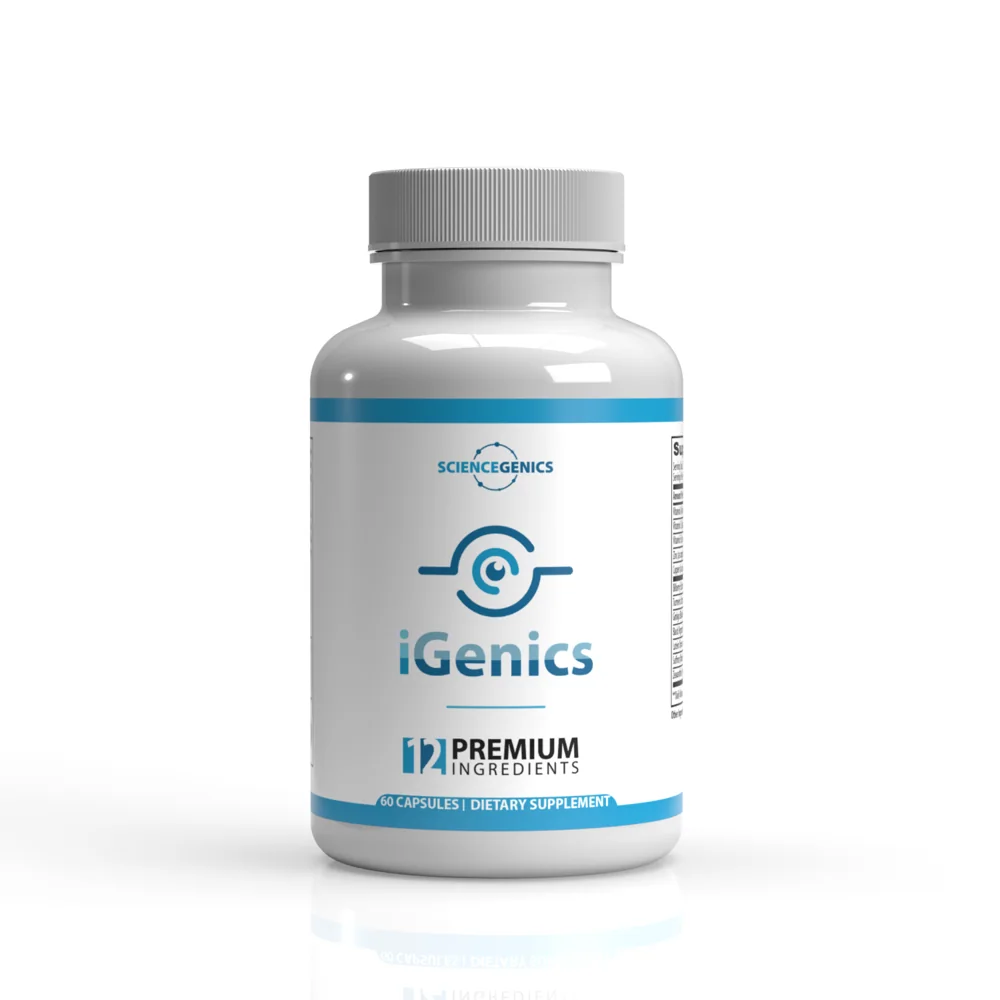
iGenics
Listed ingredients: Ginkgo biloba, AREDS-2 formula ingredients (not itemized), Bilberry, Saffron, Turmeric + BioPerine
Frequently asked questions
How often should I have an eye exam?
The right schedule depends on your age, health, family history and whether you wear glasses or contacts. The National Eye Institute encourages regular comprehensive dilated exams[2]. Your eye doctor can set a schedule that fits your risks.
Are floaters always an emergency?
Not always, since occasional floaters are common. A sudden increase in floaters, new flashes of light, or a shadow in your vision should be checked the same day. These signs can be linked to problems in the retina, so do not wait.
Can screen use cause lasting eye damage?
Screen use is linked to temporary discomfort such as tired eyes, dryness, blur and headaches[4]. The sources reviewed here do not show lasting damage from it. If symptoms persist, an eye exam can check for other causes.
Can a supplement fix vision changes?
No supplement should be relied on to treat or reverse vision changes. Evidence from the AREDS studies is limited to people with certain stages of macular degeneration[6]. Any new vision change needs an eye exam first.
Sources
- MedlinePlus: Eye diseases
- National Eye Institute: Keep your eyes healthy
- National Eye Institute: Learn about eye health
- American Academy of Ophthalmology: Computers, digital devices and eye strain
- NIH Office of Dietary Supplements: Vitamin A fact sheet
- National Eye Institute: Age-Related Eye Disease Studies (AREDS/AREDS2)
- AREDS2 Research Group. JAMA 2013: lutein + zeaxanthin and omega-3 fatty acids for AMD