Eye Health Treatment and Home Care: What Helps and What to Skip
Good eye health rests on three things: a proper diagnosis, treatment chosen by an eye doctor, and steady daily habits. Supplements and home remedies can play a small supporting role at most. This page explains what treatments exist, what home care is worth doing, and what not to rely on.
- An eye doctor chooses treatment based on the diagnosis. Options range from glasses and drops to laser and surgery.
- Regular dilated eye exams can catch problems early, often before symptoms appear.
- Sunglasses, protective eyewear, good hygiene, not smoking and breaks from screens are low-risk daily habits.
- The AREDS formula was studied for slowing progression in certain people with macular degeneration. It is not a cure or a preventive for everyone.
- Avoid any product that claims to cure, reverse or restore vision, and do not take high-dose vitamin A without medical advice.
Medical treatments an eye doctor may use
Eye diseases are not all treated the same way. The right option depends on the condition, its stage and the person's overall health[1]. Only an eye doctor can sort that out.
Depending on the diagnosis, an eye care professional may recommend:
- Glasses or contact lenses to correct how light focuses in the eye.
- Prescription eye drops or medicines for conditions such as dry eyes, allergy, infection or raised eye pressure.
- Laser treatment for certain retinal or pressure-related problems.
- Surgery, for example when a clouded lens is affecting daily life. See the page on cataracts for more on that condition.
- Monitoring, where the doctor tracks a condition over time and acts only if it changes.
Treatment lists like this are general. They are not a substitute for an exam, and no treatment is right for everyone[1].
Some conditions, including early macular degeneration, can progress with few obvious symptoms at first. That is one reason regular exams matter.
Start with a comprehensive eye exam
The National Eye Institute lists a dilated eye exam among the key steps for keeping eyes healthy[2]. During a dilated exam, drops widen the pupils so the doctor can look at the back of the eye.
An exam can find problems before symptoms appear. It also gives a baseline to compare against later. If someone has a family history of eye disease, diabetes or other health conditions, the doctor can advise how often to return[2].
See a doctor promptly for sudden vision changes, eye pain, flashes of light, a sudden shower of floaters or a curtain-like shadow in vision. Do not wait to see whether these pass.
Daily habits that support eye health
Several everyday steps are recommended by the National Eye Institute[2]:
- Eat a healthy diet. Eating well is part of the NEI's basic advice for eye health[2].
- Stay physically active. Exercise supports overall health, which affects the eyes[2].
- Wear sunglasses that block ultraviolet light when outdoors[2].
- Use protective eyewear for sports, yard work, home repairs and similar tasks[2].
- Do not smoke. Smoking is on the NEI's list of habits to avoid for eye health[2].
- Practice good hygiene. Wash hands before touching the eyes or handling contact lenses, and follow the cleaning and replacement instructions for lenses[2].
These steps are simple, low cost and carry little risk. They are a better foundation than any bottle of pills.
Home care for screen use and tired eyes
Long stretches of screen time can lead to digital eye strain, with symptoms such as tired, dry or irritated eyes and blurred vision[3]. For a fuller guide, read about eye strain.
The American Academy of Ophthalmology suggests practical changes[3]:
- Follow the 20-20-20 rule: every 20 minutes, look at something about 20 feet away for at least 20 seconds.
- Blink often, since people tend to blink less while using screens.
- Adjust screen position, brightness and lighting to reduce glare.
- Ask an eye doctor whether glasses made for computer distance would help.
If eyes feel gritty or burn even with these changes, the cause may be dry eyes or another condition that needs a proper exam. Over-the-counter lubricating drops are common, but a doctor can advise which type suits a given situation, especially if symptoms keep returning.
Where nutrition and supplements fit
A balanced diet is the starting point. Supplements are a narrower tool.
The best-known research is the Age-Related Eye Disease Studies, AREDS and AREDS2. The National Eye Institute reports that a specific vitamin and mineral formula was studied in people with intermediate or advanced age-related macular degeneration, and that it may help slow progression in some of them[4]. It was not shown to prevent the disease, and the findings apply to a specific group of people, not everyone[4].
AREDS2 tested adding lutein and zeaxanthin and omega-3 fatty acids to the original formula[5]. Omega-3s did not show added benefit in that trial[5]. Lutein and zeaxanthin were also studied as a replacement for beta-carotene in the formula[4].
Vitamin A is needed for vision, and a true deficiency can harm the eyes. In the United States, deficiency is uncommon[6]. Taking extra preformed vitamin A does not improve eyesight in people who are not deficient, and too much can be toxic[6].
Talk with an eye doctor or pharmacist before starting any supplement, especially if taking other medicines or if you smoke or used to smoke.
What not to rely on
Be cautious with claims that sound too good to be true. Do not rely on:
- Any product that claims to cure, reverse or prevent an eye disease or restore vision. The research does not support such claims. Even the AREDS formula was studied only for slowing progression in certain people[4].
- Supplements in place of an exam or prescribed treatment. Delaying care can allow a condition to worsen.
- High-dose vitamin A. More is not better, and excess preformed vitamin A can be harmful[6].
- Herbal blends with long ingredient lists that lack human studies for eye conditions. A long list of ingredients does not mean better evidence.
- Home remedies placed in the eye, such as homemade rinses or unproven drops. Use only products intended for the eye, and ask a doctor if unsure.
- Ignoring symptoms because they seem mild or come and go.
A product that is sold as a dietary supplement is not a substitute for medical care. If a label or advertisement promises to restore vision, treat that as a warning sign.
A simple prevention plan
For most adults, a sensible plan is short:
- Schedule regular eye exams and keep follow-up visits[2].
- Wear sunglasses and protective eyewear[2].
- Eat well, stay active and avoid smoking[2].
- Take screen breaks and blink often[3].
- Use supplements only on the advice of a doctor, and only when there is a clear reason.
The National Eye Institute offers more background on how eyes work and common conditions[7].
Eye supplements we have reviewed
Want to compare products? Read what the research says about nutrients for eye health first, then compare the products below.
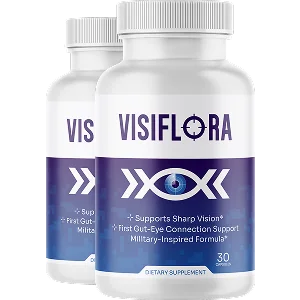
VisiFlora
Listed ingredients: Astaxanthin, Vitamin C, Vitamin E, Copper, Selenium, Chromium
TheyaVue
Listed ingredients: Lutein, Zeaxanthin, Vitamin C, Calcium, Vitamin E, Bilberry Extract
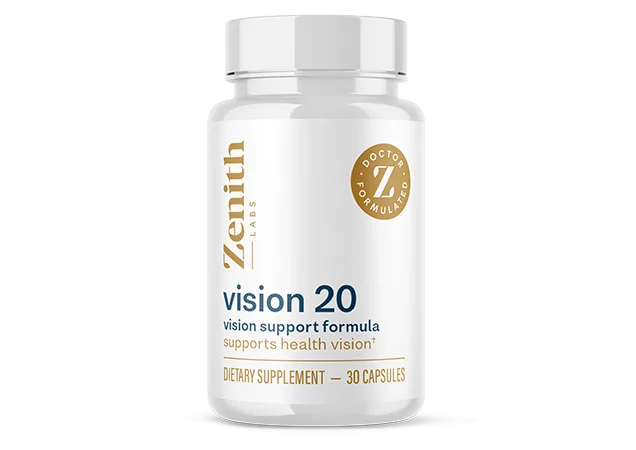
Vision 20
Listed ingredients: Lutein, Zeaxanthin, Zinc, Beta-carotene, Lycopene, Rose Hips
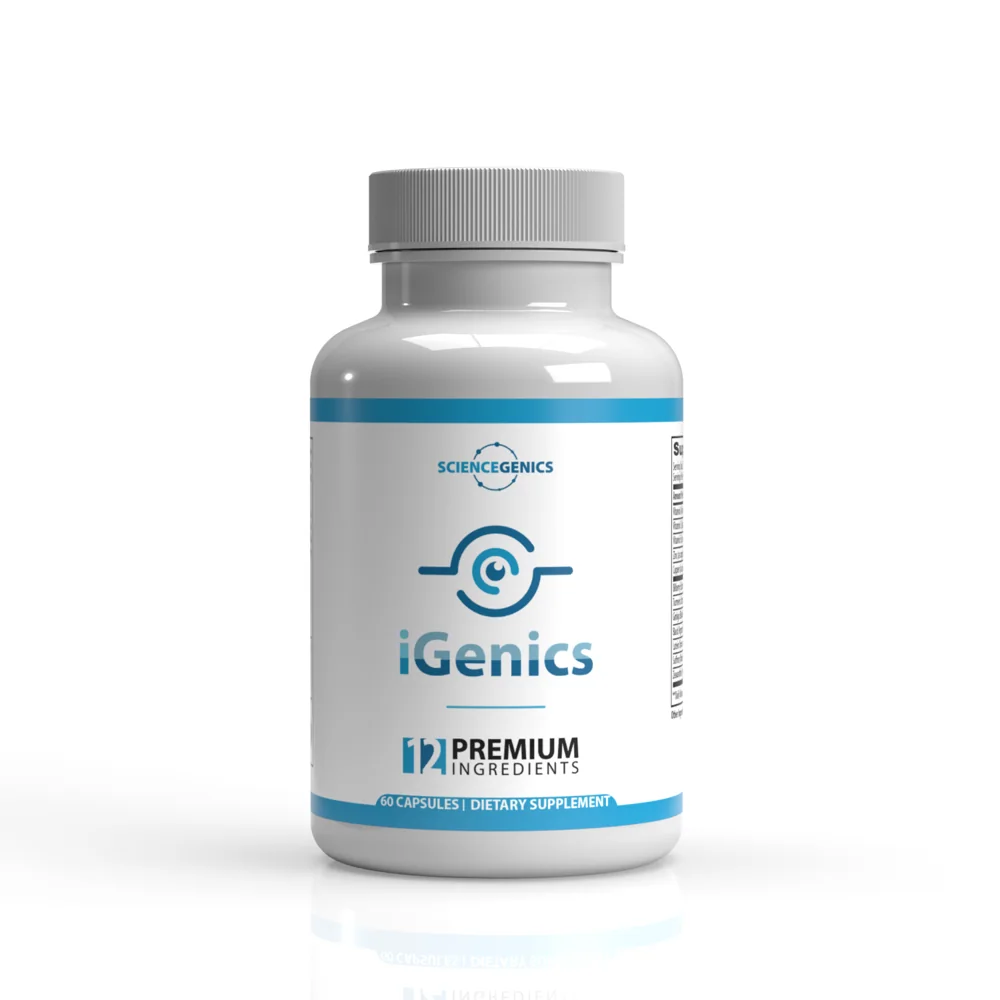
iGenics
Listed ingredients: Ginkgo biloba, AREDS-2 formula ingredients (not itemized), Bilberry, Saffron, Turmeric + BioPerine
Frequently asked questions
Can supplements restore vision or reverse an eye disease?
No supplement has been shown to restore vision or reverse an eye disease. The AREDS formula was studied for slowing progression of intermediate or advanced macular degeneration in some people, and it did not prevent the disease[4]. An eye doctor can say whether it is relevant to a specific situation.
What is the 20-20-20 rule?
Every 20 minutes of screen use, look at something about 20 feet away for at least 20 seconds. The American Academy of Ophthalmology suggests it, along with frequent blinking, to help with digital eye strain[3].
Is taking extra vitamin A good for my eyes?
Vitamin A is needed for normal vision, but deficiency is uncommon in the United States[6]. Extra preformed vitamin A will not sharpen eyesight in people who are not deficient, and too much can be toxic[6]. Ask a doctor before taking high doses.
How often should I have my eyes checked?
The right schedule depends on age, health conditions and family history. The National Eye Institute recommends dilated eye exams as part of keeping eyes healthy[2], and an eye doctor can set a timetable for you.
Sources
- MedlinePlus: Eye diseases
- National Eye Institute: Keep your eyes healthy
- American Academy of Ophthalmology: Computers, digital devices and eye strain
- National Eye Institute: Age-Related Eye Disease Studies (AREDS/AREDS2)
- AREDS2 Research Group. JAMA 2013: lutein + zeaxanthin and omega-3 fatty acids for AMD
- NIH Office of Dietary Supplements: Vitamin A fact sheet
- National Eye Institute: Learn about eye health