Eye Vitamins After 50: How to Choose for Better Eye Health
The best vision supplements for adults over 50 are the ones that match what research has actually studied: the AREDS2 combination of vitamin C, vitamin E, zinc, copper, lutein and zeaxanthin, and only for people an eye doctor says have certain stages of age-related macular degeneration[1]. For everyone else, no vitamin has been shown to sharpen blurry vision, and food and regular eye exams matter more. This guide gives a checklist for judging any label, then compares the four eye supplements we reviewed.
- What are the best eye vitamins for seniors? Start with the evidence
- Natural eye health supplements for blurry vision: what to know first
- Buyer's checklist: studied nutrients and doses
- Safety: doses, smoking and medicines
- Label transparency and guarantee: what to verify
- How the eye supplements we reviewed compare
- Only the AREDS2 nutrient combination has solid trial evidence, and only in people with certain stages of AMD.
- No supplement is shown to fix blurry vision; sudden changes need an eye exam.
- Prefer labels that show every ingredient and amount, and avoid disease or restoration claims.
- Watch total zinc and vitamin A, and avoid beta-carotene if you smoke.
- A money-back guarantee limits financial risk but does not prove a product works.
What are the best eye vitamins for seniors? Start with the evidence
The strongest evidence comes from the Age-Related Eye Disease Studies. In AREDS2, people with intermediate macular degeneration, or advanced disease in one eye, took a formula that included lutein and zeaxanthin. The National Eye Institute reports the formula was studied for slowing progression to advanced disease in that group[1]. Adding omega-3 fatty acids did not provide extra benefit in the trial[2].
That result does not extend automatically to every adult over 50. AREDS2 enrolled people who already had AMD. It was not a test of general eye health, and it does not show that these nutrients help people with healthy eyes[1].
If an eye doctor has not told you that you have AMD, a supplement is optional. A diet rich in leafy greens, fish and colorful produce is the standard advice[3]. For more on the formula, see our AREDS2 formula guide.
Natural eye health supplements for blurry vision: what to know first
Blurry vision has many causes. Some are minor, such as a changed glasses prescription, dry eyes or screen fatigue[4]. Others, such as cataracts or macular disease, need medical care[5].
No supplement has been shown to correct a prescription or clear a cataract. Sudden blurring, distortion in straight lines, dark patches or flashes of light need prompt attention from an eye doctor. Do not try a supplement first.
If blur comes and goes with long hours on a screen, breaks, lighting and blinking habits are the recommended first steps[4]. Our guide to eye strain covers those steps. A supplement label that promises clearer sight in weeks deserves doubt.
Buyer's checklist: studied nutrients and doses
Use this list before buying any eye vitamin.
- Look for studied nutrients. The AREDS2 ingredients are vitamin C, vitamin E, zinc, copper, lutein and zeaxanthin[1]. Read more on lutein and zeaxanthin.
- Check the amounts. AREDS2 used specific doses: 500 mg vitamin C, 400 IU vitamin E, 80 mg zinc, 2 mg copper, 10 mg lutein and 2 mg zeaxanthin[1]. A label that lists names with no amounts cannot be compared with the research.
- Be wary of extras. Ginkgo, bilberry, taurine and similar additions are not part of the AREDS2 formula. Evidence for them in eye health is limited. Our notes on ginkgo and eye blood flow explain more.
- Ignore disease claims. Words like "restore," "reverse" or "cure" are red flags.
- Count ingredients honestly. If a page claims 24 ingredients but names eight, you cannot judge the formula.
Safety: doses, smoking and medicines
More is not better. The upper intake level for zinc in adults is 40 mg per day, and too much can cause problems such as copper deficiency[6]. The AREDS2 dose was tested under study conditions, so talk with a doctor before taking that amount.
Preformed vitamin A can build up to harmful levels, and high intake is a concern in older adults[7]. Check totals from your multivitamin, fortified foods and the eye supplement together.
Beta-carotene was removed from the AREDS2 formula and replaced with lutein and zeaxanthin because of lung cancer concerns in smokers[1]. Smokers and former smokers should be especially careful with beta-carotene products.
Ginkgo may raise bleeding risk with blood thinners. Tell your doctor and pharmacist about every supplement you take, especially before surgery.
Label transparency and guarantee: what to verify
Good labels show the amount of every ingredient, the company name and address, and the manufacturer. Third-party testing from a named lab is a plus. Phrases like "certified facility" mean little without a named certifier. The FDA does not approve supplements before sale, and most vendor pages say so in a disclaimer.
Check the guarantee closely:
- How many days, and counted from which date?
- Who pays return shipping?
- Is there a support email or phone number?
- Is it a one-time purchase or a subscription?
A refund policy does not show that a product works. It only limits your financial risk. Also be skeptical of study claims with no link or citation. Learn more in our nutrients and supplements overview.
How the eye supplements we reviewed compare
None of these products has published clinical trial results on the finished formula that we could verify. All sales pages carry the usual disclaimer that the product is not meant to diagnose, treat, cure or prevent disease.
VisiFlora lists lutein and zeaxanthin from marigold, zinc, vitamin C, vitamin E, copper, selenium, astaxanthin, beta-carotene, lycopene, saffron, bilberry and ginkgo among about 20 named ingredients. Several of these overlap with the AREDS2 nutrients, which may support macular pigment and antioxidant defenses, but amounts are mostly undisclosed. Many other ingredients, such as taurine, quercetin, coleus forskohlii and eyebright, have no good evidence for this topic. The vendor offers a 60-day money-back guarantee and a one-time purchase, with a support email published. Drawbacks: no company or manufacturer details, no amounts for most ingredients, and savings figures that do not reconcile. See the VisiFlora ingredient breakdown.
TheyaVue names eight ingredients: lutein, zeaxanthin, vitamin C, vitamin E, zinc, calcium, bilberry and rutin. The first five connect to AREDS2 nutrients, but no amounts are shown and 16 of the claimed 24 ingredients are unnamed. It offers a 60-day guarantee. No support email or phone is published, and no testing lab is named.
Vision 20 lists lutein, zeaxanthin, zinc, beta-carotene, lycopene, vitamin A as retinyl palmitate and several plant extracts. Amounts are not disclosed. Smokers should avoid beta-carotene, and the vitamin A and zinc totals need checking against other supplements[7][6]. Its 180-day guarantee is the longest of the four, though several study claims on its page are unverified.
iGenics says it is based on the AREDS-2 formula, but does not itemize those ingredients. It also lists ginkgo, bilberry, saffron and turmeric with BioPerine. Only six of 12 claimed ingredients are named. Refund terms are not stated on the sales page, so confirm them at checkout.
Bottom line: The most evidence-aligned label is one that shows AREDS2-type nutrients with full amounts, and none of these four does. If you have AMD, ask your eye doctor which formula and dose fit your situation.
Eye supplements we have reviewed
Want to compare products? Read what the research says about nutrients for eye health first, then compare the products below.
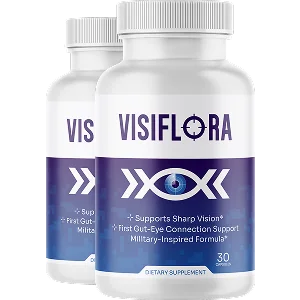
VisiFlora
Lutein and zeaxanthin, zinc, vitamin C, vitamin E, copper and beta-carotene overlap with nutrients studied in the AREDS research, but VisiFlora does not disclose most amounts and shows no clinical data on the finished product. Ingredients such as taurine, quercetin, coleus forskohlii and eyebright have no good evidence for this topic, and ginkgo carries a possible bleeding-risk caution with blood thinners.
Listed ingredients: Astaxanthin, Vitamin C, Vitamin E, Copper, Selenium, Chromium
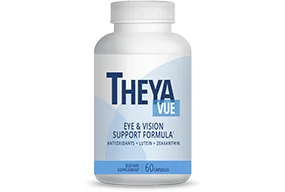
TheyaVue
Lutein, zeaxanthin, vitamin C, vitamin E and zinc relate to the AREDS2 nutrients, but no amounts are given, so the formula cannot be matched to the research. Bilberry, rutin and calcium have limited or no good evidence for age-related vision, and only eight of the 24 claimed ingredients are named.
Listed ingredients: Lutein, Zeaxanthin, Vitamin C, Calcium, Vitamin E, Bilberry Extract
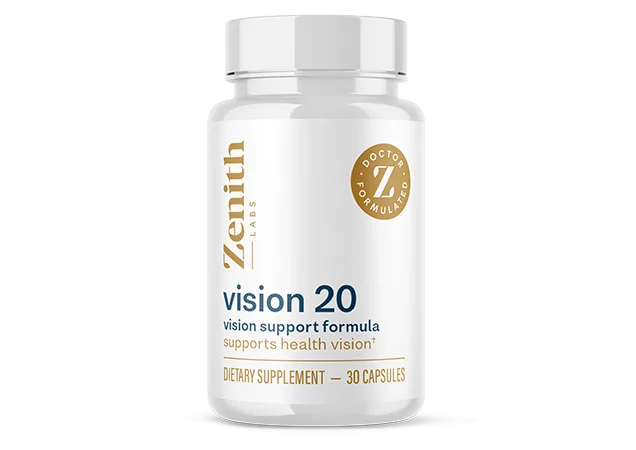
Vision 20
Lutein, zeaxanthin and zinc relate to the AREDS2 nutrients, but amounts are not disclosed. Beta-carotene is not advised for smokers and is not in the AREDS2 formula, and retinyl palmitate adds to total vitamin A intake. Lycopene, taurine, rose hips, grape seed and bilberry have little good evidence for this topic.
Listed ingredients: Lutein, Zeaxanthin, Zinc, Beta-carotene, Lycopene, Rose Hips
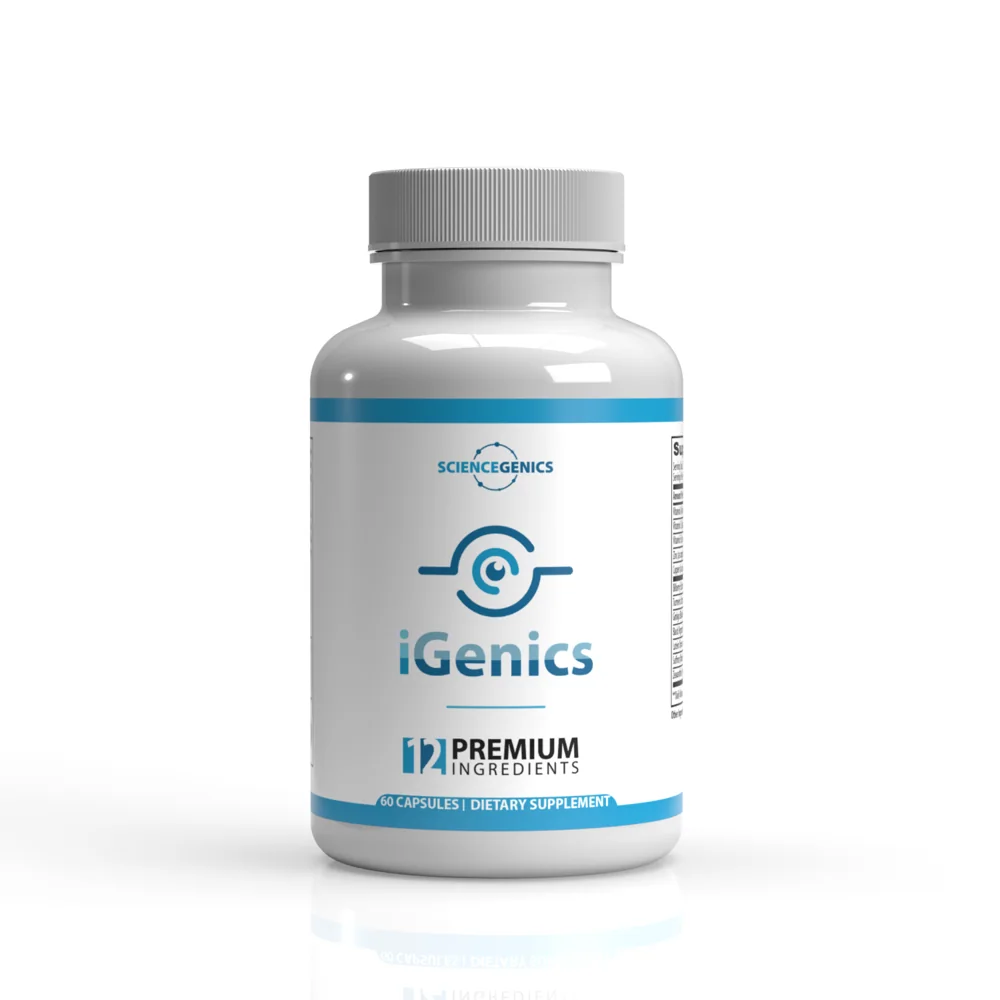
iGenics
The product says it is based on the AREDS-2 formula, but those ingredients are not itemized, so doses cannot be compared with the trial. Evidence for ginkgo, bilberry, saffron and turmeric in age-related eye health is limited, and ginkgo may interact with blood thinners.
Listed ingredients: Ginkgo biloba, AREDS-2 formula ingredients (not itemized), Bilberry, Saffron, Turmeric + BioPerine
Frequently asked questions
Do I need eye vitamins after 50?
Not necessarily. The AREDS2 research was done in people with intermediate or advanced AMD, not in people with healthy eyes[1]. A balanced diet and regular dilated eye exams are the standard advice for most adults[3].
Can eye vitamins help with blurry vision?
Evidence is limited. Blur can come from a prescription change, dry eyes, screen strain, cataracts or macular disease, and each has a different fix[5]. See an eye doctor for diagnosis, and seek care urgently if blur appears suddenly.
Are higher doses of zinc and vitamin A safer for eyes?
No. Zinc has an upper limit of 40 mg per day for adults, and excess vitamin A can be harmful[6][7]. Ask your doctor before taking more than a standard multivitamin amount.
Is lutein and zeaxanthin enough on its own?
These two carotenoids were part of the AREDS2 formula, which also included vitamins C and E, zinc and copper[1]. Research on them alone for general eye health is limited. Leafy greens are a food source worth including[3].
Sources
- National Eye Institute: Age-Related Eye Disease Studies (AREDS/AREDS2)
- AREDS2 Research Group. JAMA 2013: lutein + zeaxanthin and omega-3 fatty acids for AMD
- American Academy of Ophthalmology: Diet and nutrition for eye health
- American Academy of Ophthalmology: Computers, digital devices and eye strain
- MedlinePlus: Eye diseases
- NIH Office of Dietary Supplements: Zinc fact sheet
- NIH Office of Dietary Supplements: Vitamin A fact sheet