VisiFlora Ingredients Explained: Does It Work for Vision and Eye Health?
No published trial of VisiFlora itself was found, so there is no direct evidence that it works for vision. Some of its listed ingredients have research behind them, mostly in specific groups of people, and others are traditional or have little human evidence. This guide breaks the formula into those groups, shows what the label leaves out, and explains who should talk to a doctor first.
- No trial of VisiFlora itself was found, so there is no direct evidence it works for vision.
- Lutein, zeaxanthin, vitamins C and E, zinc and copper have AREDS-type research, but only in specific groups and at set amounts.
- Saffron, ginkgo and bilberry have limited evidence, and rutin, quercetin and eyebright lack good human data in the sources reviewed.
- Most amounts are not disclosed, so the formula cannot be compared with studied doses.
- Ask a doctor first if pregnant, nursing, on blood thinners or other medicines, a smoker, or living with an eye condition.
Does VisiFlora work for vision?
The sales page presents VisiFlora as a "complete vision support system" with 22 nutrients, but it cites no clinical data on the finished product. Without that, no one can say whether the formula as a whole supports vision.
What can be judged is the individual ingredients. The strongest research in eye supplements comes from the AREDS and AREDS2 studies, which tested specific nutrient combinations in people with intermediate or advanced age-related macular degeneration, not in the general public[1][2]. VisiFlora is not the AREDS2 formula, and its amounts are not disclosed, so those results cannot be applied to it.
The page also says many people notice improvements within a few weeks. No data or study is shown for that, so treat it as marketing, not evidence.
Anyone with blurry vision, vision changes or a diagnosed eye condition needs an eye doctor for diagnosis and treatment. A supplement is not a substitute for that. For basics, see eye health and signs and symptoms worth getting checked.
VisiFlora ingredients with research behind them
These listed ingredients have the most human research in eye health. That research is not the same as proof for this product.
- Lutein and zeaxanthin (from marigold): AREDS2 tested these in people at risk of advanced AMD, and the National Eye Institute describes them as part of the updated formula[1][2]. See lutein and zeaxanthin for more.
- Vitamins C and E, zinc and copper: These are part of the AREDS-style formulas. The studies tested set combinations, and copper is paired with zinc in those formulas[1]. A product that lists them without amounts is not equivalent.
- Beta-carotene (vitamin A): The original AREDS formula contained it, and AREDS2 tested replacing it with lutein and zeaxanthin[1]. Dose limits matter for vitamin A[3].
- Astaxanthin: A randomized trial studied a combination of anthocyanin, astaxanthin and lutein on eye functions[4]. Because it tested a blend, it cannot show what astaxanthin does alone.
Selenium, lycopene and chromium are also listed. The sources used for this guide do not show good evidence for them in eye health.
For the macular pigment angle, see lutein, zeaxanthin and astaxanthin. For AMD context, see macular degeneration and the AREDS2 formula guide.
Emerging, traditional and gut-eye ingredients
The rest of the formula rests on weaker or indirect evidence.
- Saffron extract: A double-blind randomized trial looked at saffron in AMD[5]. It is interesting, but evidence is limited. See saffron and eyesight.
- Ginkgo biloba: NCCIH covers ginkgo and notes that evidence for most health uses is limited[6]. See ginkgo and eye blood flow.
- Bilberry extract: A systematic review of bilberry for night vision did not give convincing support for that claim[7].
- Rutin, quercetin, grape seed extract, taurine, alpha lipoic acid and eyebright: The sources used here do not show good human evidence for these in eye health. Eyebright is a traditional herb, and its use is not backed by the sources reviewed.
- Coleus forskohlii and the "gut-eye" blend: The page says the formula supports the gut-eye link. The gut-eye axis is an active research area, but a 2025 review describes it as a field of study, not proof that any supplement helps[8]. See the gut-eye connection.
In short, "traditional" and "studied in the lab" do not mean "shown to help in people."
What the VisiFlora label does not show
The biggest gap is amounts. For most ingredients, no dose is given. Dose is the whole question with AREDS-type nutrients, because the research used specific amounts[1].
Other gaps from the product page:
- The page says 22 nutrients but names about 20.
- The company name, address and manufacturer are not published.
- "Certified facility" is claimed with no certifying body named.
- "Premium ingredients selected for purity and potency" comes with no test results.
- No trials of the finished product are cited.
Without doses, a reader cannot compare the formula with what was studied, or judge whether it is too little to matter or too much alongside other supplements.
VisiFlora pros and cons
Pros, from the product facts:
- 60-day money-back guarantee stated on the page
- One-time purchase, with no recurring charges stated
- Non-GMO and vegetarian-friendly claims
- Support email published
- Billing descriptor disclosed
Cons:
- Most ingredient amounts are not disclosed
- No clinical trial of the finished formula
- Manufacturer details are missing
- Savings figures on the packages do not reconcile with the regular price
- The starter package adds a shipping fee, and the amount is not stated
- Return shipping terms and the guarantee start date are unclear
The guarantee is a real plus, but it protects money, not eyes.
VisiFlora side effects and who should ask a doctor first
The page says to consult a physician if pregnant, nursing, taking medication or living with a medical condition. That is sensible advice. It also states the product is not evaluated by the FDA and is not meant to diagnose, treat, cure or prevent disease.
Specific cautions:
- Blood thinners: Ginkgo may raise bleeding risk or interact with medicines, so ask a doctor or pharmacist first[6].
- Vitamin A and beta-carotene: Too much vitamin A can be harmful, and AREDS2 moved away from beta-carotene[3][1]. Smokers in particular should ask before taking beta-carotene.
- Zinc: High intake can cause problems, and AREDS-style formulas pair it with copper[1]. Add up zinc from every supplement and multivitamin you take.
- Existing eye conditions: Anyone with AMD, cataracts or dry eyes should discuss supplements with an eye doctor.
For daily comfort, habits matter more than capsules. The American Academy of Ophthalmology suggests breaks and screen adjustments for digital eye strain[9]. See eye strain, and the National Eye Institute's tips for keeping eyes healthy[10].
How the eye supplements we reviewed compare
VisiFlora matches this guide best on lutein and zeaxanthin, vitamins C and E, zinc, copper, beta-carotene and astaxanthin. These have research in other settings, but no amounts are shown. Saffron, ginkgo, bilberry, rutin, quercetin, eyebright and the gut-eye ingredients have limited or no good evidence for vision.
TheyaVue names eight of 24 claimed ingredients: lutein, zeaxanthin, vitamin C, calcium, vitamin E, bilberry, zinc and rutin. Its core nutrients overlap with AREDS-style research, but amounts are not given.
Vision 20 lists 10 ingredients, including lutein, zeaxanthin, zinc, beta-carotene and bilberry, without amounts. Smokers should avoid beta-carotene supplements.
iGenics says it is based on the AREDS-2 formula, but the ingredients are not itemized. It also lists ginkgo, bilberry and saffron, where evidence is limited.
None of these has finished-product trials cited, and none is shown to treat or prevent any eye disease.
Eye supplements we have reviewed
Want to compare products? Read what the research says about nutrients for eye health first, then compare the products below.
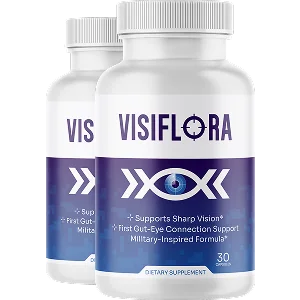
VisiFlora
Lists lutein and zeaxanthin, vitamins C and E, zinc, copper and beta-carotene, which relate to AREDS-style research in people with AMD, plus astaxanthin, which has only small combination-trial evidence. Saffron, ginkgo and bilberry have limited evidence, and rutin, quercetin, eyebright and the gut-eye ingredients lack good evidence for vision. Amounts are not disclosed and no finished-product trial is cited.
Listed ingredients: Astaxanthin, Vitamin C, Vitamin E, Copper, Selenium, Chromium
TheyaVue
Names lutein, zeaxanthin, vitamins C and E and zinc, which overlap with AREDS-style research in people with AMD, but amounts are not disclosed. Bilberry and rutin have limited or no good evidence for vision, and only 8 of 24 claimed ingredients are named.
Listed ingredients: Lutein, Zeaxanthin, Vitamin C, Calcium, Vitamin E, Bilberry Extract
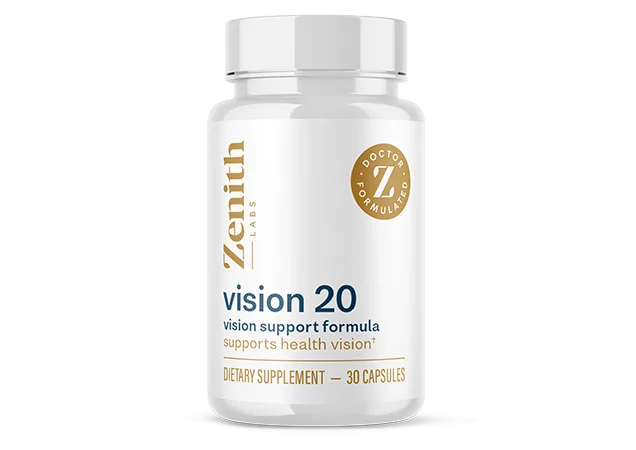
Vision 20
Lists lutein, zeaxanthin, zinc and beta-carotene, which relate to AREDS-style research, though amounts are not disclosed. Bilberry has limited evidence, and taurine, lycopene, rose hips and grape seed extract have no good evidence for this topic. Smokers should avoid beta-carotene.
Listed ingredients: Lutein, Zeaxanthin, Zinc, Beta-carotene, Lycopene, Rose Hips
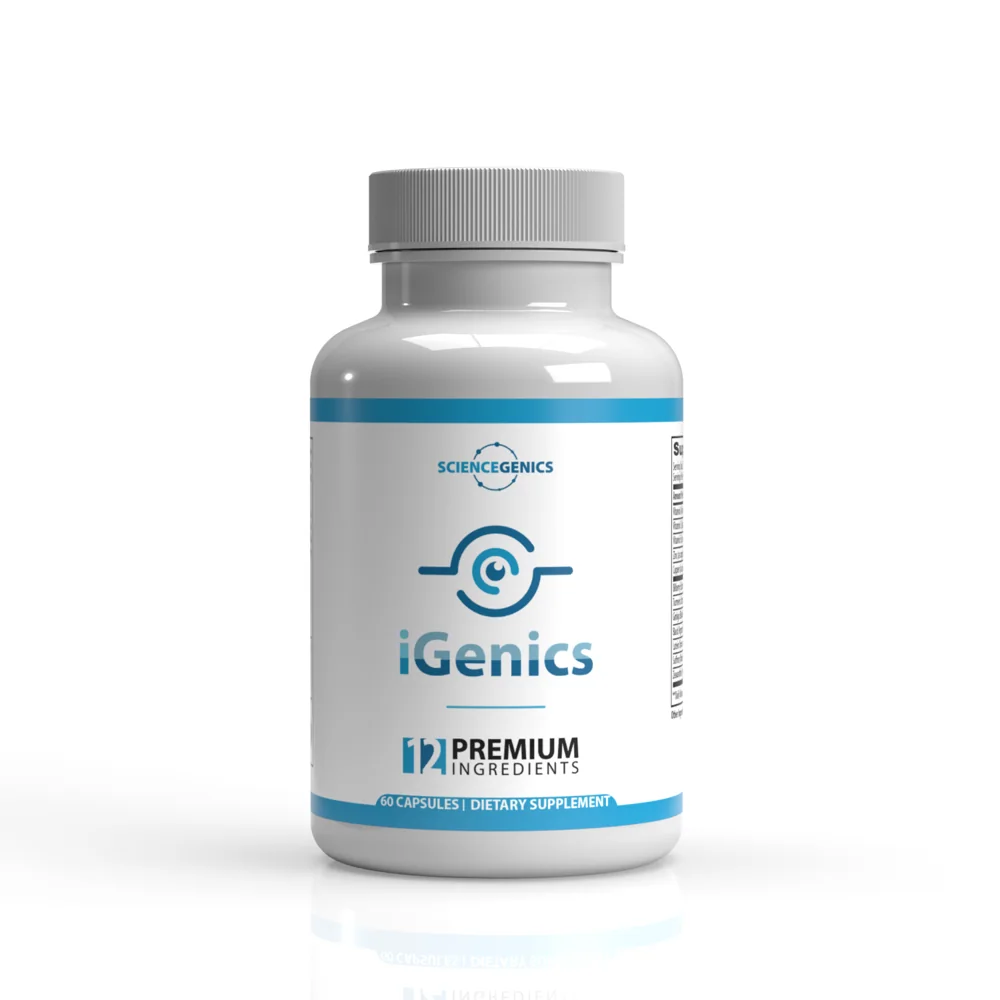
iGenics
Says it is based on the AREDS-2 formula, but the ingredients are not itemized, so the link to that research cannot be checked. Saffron and ginkgo have limited evidence, bilberry has weak support for night vision, and amounts are not listed.
Listed ingredients: Ginkgo biloba, AREDS-2 formula ingredients (not itemized), Bilberry, Saffron, Turmeric + BioPerine
Frequently asked questions
Does VisiFlora work for vision?
There is no published trial of VisiFlora itself. Some listed ingredients, such as lutein and zeaxanthin, were studied in people with AMD, but amounts in the product are not disclosed. Evidence for the formula as a whole is lacking.
What are the VisiFlora side effects?
The page lists none, which is not the same as none existing. Ginkgo may interact with blood thinners, and vitamin A, beta-carotene and zinc carry dose-related risks. Ask a doctor or pharmacist before use if you take medicines or have a health condition.
Are VisiFlora reviews reliable?
Claims like noticeable improvements within a few weeks come with no data. Judge the product on its ingredients, disclosed facts and refund terms, not testimonials. The 60-day guarantee is stated, but return shipping terms are unclear.
Can VisiFlora replace an eye exam or AREDS2 supplement?
No. Eye exams detect problems that supplements cannot. If an eye doctor recommends an AREDS2-type formula for AMD, ask which exact product and dose they want you to use.
Sources
- National Eye Institute: Age-Related Eye Disease Studies (AREDS/AREDS2)
- AREDS2 Research Group. JAMA 2013: lutein + zeaxanthin and omega-3 fatty acids for AMD
- NIH Office of Dietary Supplements: Vitamin A fact sheet
- J Clin Biochem Nutr 2021: anthocyanin, astaxanthin and lutein on eye functions, randomized trial
- Med Hypothesis Discov Innov Ophthalmol 2016: saffron in AMD, double-blind randomized trial
- NIH NCCIH: Ginkgo
- Canter & Ernst. Surv Ophthalmol 2004: bilberry for night vision, systematic review
- Adv Ophthalmol Pract Res 2025: Gut-eye axis (review)
- American Academy of Ophthalmology: Computers, digital devices and eye strain
- National Eye Institute: Keep your eyes healthy