Ginkgo Biloba for Eye Blood Flow: What the Evidence Shows
Ginkgo biloba has been studied for its effect on blood flow in the eye, but the research is small and mostly measures blood flow, not vision. Evidence that it protects eyesight or helps any eye disease is limited. Ginkgo can also raise safety questions for people who take blood thinners, so an eye doctor or pharmacist should weigh in first.
- Does ginkgo biloba help eye blood flow?
- What the small ocular blood flow studies looked at
- What NCCIH says about ginkgo
- Ginkgo biloba and bleeding risk with blood thinners
- Why blood flow is not the same as protecting your vision
- How the eye supplements we reviewed compare
- Questions to ask before trying ginkgo
- Ginkgo biloba was studied for ocular blood flow in a few small studies, but evidence that it protects vision is limited.
- Measuring blood flow in the eye is not the same as showing better eyesight or a healthier eye.
- Ginkgo may raise bleeding concerns, so anyone on blood thinners should check with a doctor or pharmacist first.
- AREDS2-type formulas were studied in people with macular degeneration and do not depend on ginkgo.
- Of the four formulas reviewed, two list ginkgo; none discloses amounts or shows clinical data on the finished product.
Does ginkgo biloba help eye blood flow?
Ginkgo biloba extract was studied for its effect on blood flow in the eye, and a few small studies exist[1][2]. That is not the same as showing that it helps people see better or protects the eye over time.
The idea is simple. The retina and optic nerve need a steady blood supply. Ginkgo has been studied for effects on circulation, so researchers asked whether it changes blood flow in the eye. Whether any change matters for eye health is a separate question, and the evidence is limited.
The sections below cover what the small studies measured, what NIH's National Center for Complementary and Integrative Health (NCCIH) says about ginkgo, and why bleeding risk deserves attention.
What the small ocular blood flow studies looked at
Two published studies are the main sources behind the "ginkgo and eye blood flow" claim. One examined ginkgo biloba extract and ocular blood flow velocity[1]. The other looked at the influence of ginkgo biloba on ocular blood flow[2].
There are several reasons to read them cautiously:
- They measured blood flow, not eyesight. A change in a blood flow reading does not show better vision or a healthier eye.
- They are small and short. Studies of this kind cannot show long-term benefit or safety.
- They are not proof for any eye condition. Neither study should be read as showing that ginkgo prevents or treats an eye disease.
People looking for general ways to protect their eyes will find more established guidance on the National Eye Institute pages about keeping eyes healthy[3]. Those pages emphasize habits and regular eye exams rather than a single supplement.
What NCCIH says about ginkgo
NCCIH, part of the National Institutes of Health, publishes a plain-language overview of ginkgo[4]. It is a good place to check the general evidence on ginkgo, its possible side effects and its safety cautions.
Two points are worth keeping in mind. First, ginkgo products are dietary supplements, and the quality and strength of what is inside a bottle can vary. Second, a supplement being plant-based does not make it risk-free, especially for people who take prescription medicines.
The NCCIH page is general and does not make ginkgo a recommended eye-health supplement[4]. Anyone with a diagnosed eye condition should ask an eye doctor before adding it.
Ginkgo biloba and bleeding risk with blood thinners
The most practical concern is bleeding. NCCIH's ginkgo overview discusses safety and possible interactions with medicines[4]. Ginkgo is generally considered to carry a possible bleeding risk, which matters most for people who take blood thinners.
Talk to a doctor or pharmacist before using ginkgo if any of these apply:
- Taking a prescription blood thinner or anticoagulant
- Taking aspirin or similar medicines regularly
- Scheduled for surgery or a dental procedure
- Pregnant or nursing
- Taking other medications, or living with a medical condition
This also applies to multi-ingredient eye formulas. Ginkgo may be one of many ingredients on the label, so it is easy to overlook. Reading the full ingredient list matters.
Blood in the white of the eye, sudden vision changes, flashes, or new floaters need prompt medical attention, whether or not any supplement is involved[5].
Why blood flow is not the same as protecting your vision
The best-studied supplement formulas for eye health do not rely on ginkgo. The AREDS and AREDS2 studies tested specific vitamins, minerals and carotenoids in people with age-related macular degeneration[6]. AREDS2 specifically tested lutein and zeaxanthin and omega-3 fatty acids[7]. Those findings apply to people with that condition, not to everyone.
For background, see the guides on macular degeneration and lutein and zeaxanthin. For a closer look at that formula, the AREDS2 formula guide explains what was tested.
Many common eye complaints have little to do with blood flow. Tired eyes after screen time are usually linked to how the eyes are used, and the American Academy of Ophthalmology covers practical habits for that[8]. See the guides on eye strain and dry eyes for those problems, and cataracts for the clouding of the lens that comes with age. Ginkgo has not been shown to help with these.
How the eye supplements we reviewed compare
Only some of the formulas reviewed contain ginkgo. None of the vendors publishes ginkgo amounts, and none shows clinical trials of the finished product for eye blood flow.
VisiFlora is the closest match to this guide's subject. Its listed ingredients include ginkgo biloba, along with lutein and zeaxanthin, bilberry extract, saffron extract, astaxanthin, grape seed extract, rutin and quercetin. Ginkgo is the ingredient that relates directly to eye blood flow, and the evidence for it is limited to the small studies above[1][2]. Amounts are not disclosed for most ingredients, and no clinical data on the finished product is cited. Because it contains ginkgo, the bleeding caution applies[4]. The vendor also lists zinc and vitamin A (beta carotene), which have dose-related risks[9]. More detail is in the VisiFlora ingredients guide.
iGenics also lists ginkgo biloba, plus bilberry, saffron, turmeric with BioPerine, and AREDS-2 formula ingredients that are not itemized. The AREDS2 research was done in people with macular degeneration, not as general eye-health support[7]. Only six of its 12 claimed ingredients are named, and amounts are not listed. The same ginkgo and blood thinner caution applies.
TheyaVue does not list ginkgo. Its named ingredients include lutein, zeaxanthin, vitamins C and E, zinc, bilberry extract and rutin. These may support macular pigment and antioxidant intake, but they are unrelated to the ginkgo blood flow question. Only eight of the 24 claimed ingredients are named.
Vision 20 does not list ginkgo either. It combines lutein, zeaxanthin, beta-carotene, lycopene, zinc, vitamin A as retinyl palmitate, taurine, grape seed extract and bilberry extract. Vitamin A and zinc can be harmful at high intake[9], and amounts are not disclosed.
In short, no reviewed product has good evidence for improving eye blood flow, and none can be said to treat or prevent an eye disease. For a broader view, see the page on nutrients and supplements for eye health.
Questions to ask before trying ginkgo
A short checklist helps keep the decision practical:
- What is the goal? Ginkgo has no established role in treating any eye condition. A diagnosis and treatment plan come from an eye doctor.
- What else is being taken? Share every medicine and supplement with a doctor or pharmacist, especially blood thinners.
- Is the evidence proportionate? Small blood flow studies are an early signal, not proof of benefit[2].
- Are basics covered? Regular eye exams, not smoking, and sensible screen habits are the foundation of eye care[3][10].
If vision changes suddenly or gradually worsens, see an eye doctor rather than self-treating with supplements.
Eye supplements we have reviewed
Want to compare products? Read what the research says about nutrients for eye health first, then compare the products below.
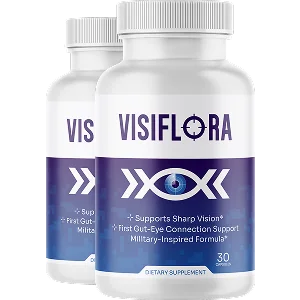
VisiFlora
Lists ginkgo biloba, which has only small blood flow studies behind it, plus bilberry, saffron, lutein and zeaxanthin, which relate to other eye topics. Amounts are not disclosed, no clinical data on the finished product is cited, and the ginkgo bleeding caution applies.
Listed ingredients: Astaxanthin, Vitamin C, Vitamin E, Copper, Selenium, Chromium
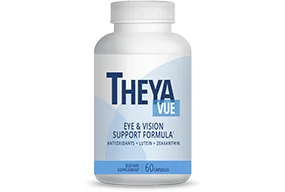
TheyaVue
Does not list ginkgo, so it does not relate directly to eye blood flow. Its lutein, zeaxanthin, vitamins and bilberry are studied for other purposes, and only 8 of 24 claimed ingredients are named.
Listed ingredients: Lutein, Zeaxanthin, Vitamin C, Calcium, Vitamin E, Bilberry Extract
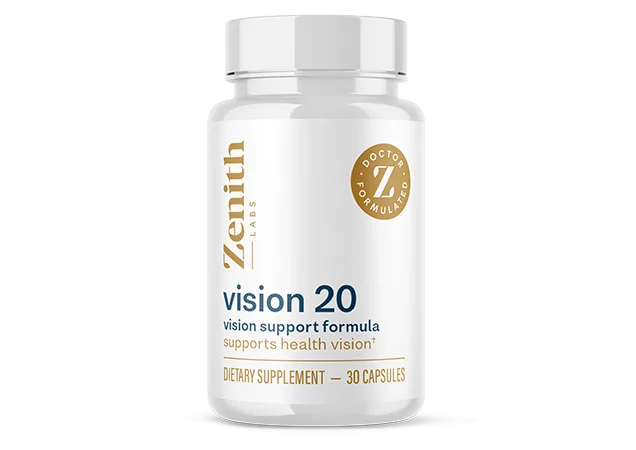
Vision 20
Does not list ginkgo, so it has no ingredient tied to this topic. Its carotenoids and zinc relate to other eye-nutrition questions, and vitamin A and zinc can be harmful at high intake.
Listed ingredients: Lutein, Zeaxanthin, Zinc, Beta-carotene, Lycopene, Rose Hips
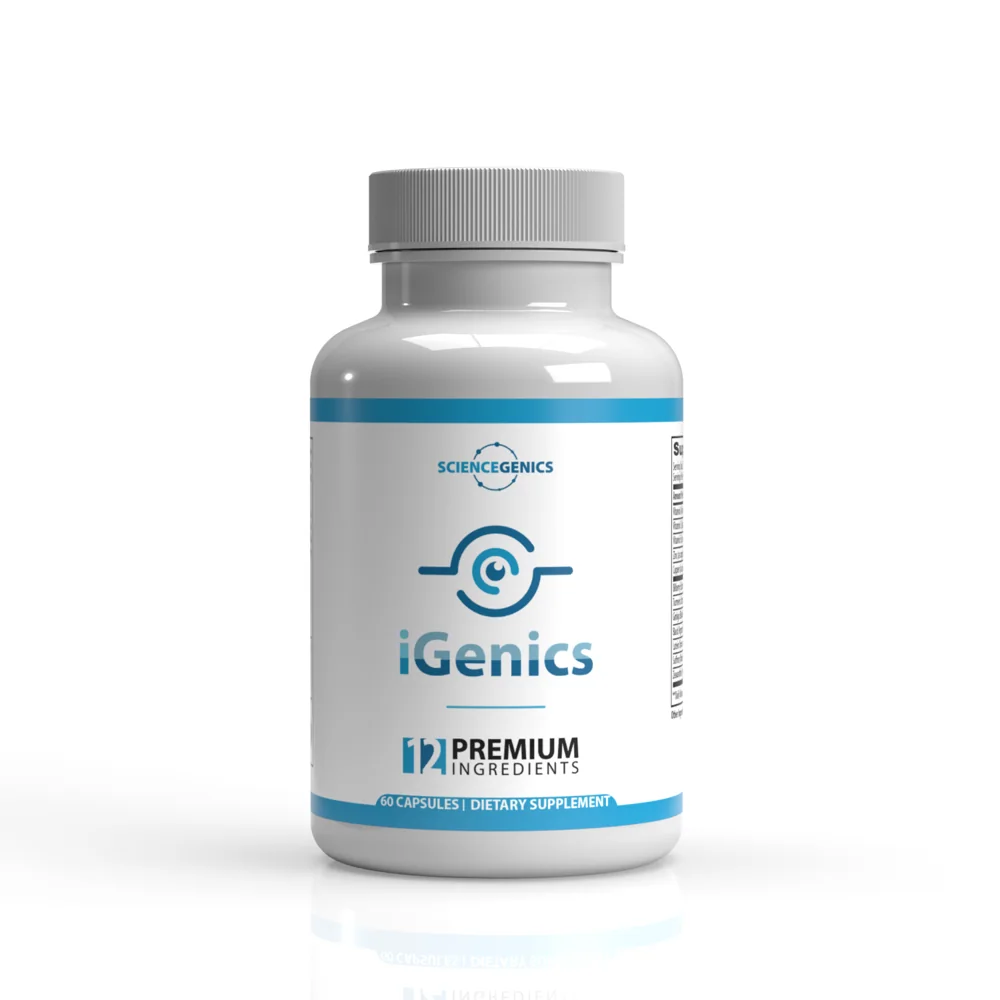
iGenics
Lists ginkgo biloba, which has limited evidence for eye blood flow and none shown for eye disease, plus AREDS-2 formula ingredients that are not itemized. Amounts are not listed, and the ginkgo caution with blood thinners applies.
Listed ingredients: Ginkgo biloba, AREDS-2 formula ingredients (not itemized), Bilberry, Saffron, Turmeric + BioPerine
Frequently asked questions
Does ginkgo biloba improve eye blood flow?
Small studies looked at ginkgo extract and ocular blood flow[1][2]. They measured blood flow, not vision, so they do not show that ginkgo improves eyesight or helps any eye disease.
Is ginkgo biloba safe with blood thinners?
Not necessarily. NCCIH's ginkgo overview covers safety and possible medicine interactions[4], and ginkgo may increase bleeding risk. Anyone taking a blood thinner should ask a doctor or pharmacist before using it.
Can ginkgo help with macular degeneration?
Evidence for ginkgo in macular degeneration is limited. The best-known research on supplements is the AREDS and AREDS2 work, which tested other nutrients in people who already had the condition[6][7]. An eye doctor should guide any decision.
Do eye supplements with ginkgo work better?
There is no good evidence that adding ginkgo to a multi-ingredient eye formula makes it work better. Ingredient amounts are often not disclosed, so it is hard to compare formulas, and ginkgo adds a bleeding caution.
Sources
- J Ocul Pharmacol Ther 1999: Ginkgo biloba extract and ocular blood flow velocity
- Acta Ophthalmol Scand 2007: influence of Ginkgo biloba on ocular blood flow
- National Eye Institute: Keep your eyes healthy
- NIH NCCIH: Ginkgo
- MedlinePlus: Eye diseases
- National Eye Institute: Age-Related Eye Disease Studies (AREDS/AREDS2)
- AREDS2 Research Group. JAMA 2013: lutein + zeaxanthin and omega-3 fatty acids for AMD
- American Academy of Ophthalmology: Computers, digital devices and eye strain
- NIH Office of Dietary Supplements: Vitamin A fact sheet
- National Eye Institute: Learn about eye health