The Gut Eye Connection: What the Research Does and Does Not Show
The gut eye connection, often called the gut-eye axis, is the idea that bacteria in the digestive tract may influence inflammation and health in the eyes. Reviews describe it as an active research area, but most of the evidence comes from animal studies and associations, so it is not a proven way to protect vision[1]. This guide explains the idea, its limits, and which habits have broader support.
- The gut-eye axis is a proposed link between gut microbes, inflammation and eye health, and it is still early research.
- Reviews rely mostly on animal studies and associations, which cannot show that gut changes cause eye disease.
- No review shows that a probiotic or supplement protects vision or treats an eye condition.
- Habits with broader support include a varied diet with leafy greens and fish, not smoking, sun protection and regular eye exams.
- Read "gut-eye" claims on supplements cautiously and ask an eye doctor before starting one.
What is the gut-eye axis?
The gut-eye axis is a proposed two-way link between the gut microbiome (the community of microbes in the digestive tract) and the eye. Researchers suggest that gut microbes may affect immune signaling and inflammation throughout the body, including in eye tissues[1].
The idea is attractive because several eye conditions involve inflammation or immune activity. It is still a hypothesis under study. A reasonable reading is: "there may be a connection worth investigating," not "fixing the gut will fix the eyes."
An eye doctor is the right person to diagnose any eye problem. Gut-related ideas do not replace an eye exam.
What reviews say about gut microbes and eye disease
A 2023 review looked at the role of the gut microbiome across several eye diseases and described links between microbial patterns and conditions such as age-related macular degeneration, glaucoma and uveitis. It also noted that much of the work is early[2].
A 2025 review of the gut-eye axis reached a similar overall picture. It discusses possible mechanisms but points to the need for better human studies[1].
For macular degeneration specifically, the best-studied nutrition research is not about the gut. It is about specific vitamins and minerals tested in large trials[3].
Gut eye connection and inflammation
Inflammation is the main bridge in this theory. The proposed route is that changes in gut microbes may shift immune activity and inflammatory signals, which could then reach the eye[1].
The clearest example in recent reviews is dry eyes. A 2024 review examined how gut microbiota may relate to dry eye disease, again describing associations and possible mechanisms rather than settled cause and effect[4].
Inflammation is also a normal, protective response. Not all inflammation is harmful, and no review shows that a supplement can lower eye inflammation in a way that protects vision. Persistent dryness, redness or pain deserves a visit to an eye doctor. See also why eyes can feel dry and blurry in the morning.
What the gut-eye research does not prove
Several limits matter for anyone reading headlines.
- Association is not cause. Finding different gut bacteria in people with an eye condition does not show the bacteria caused it. The condition, medicines or diet could change the microbiome instead[2].
- Animal results may not carry over. Much of the mechanism work comes from animal models, which often behave differently from people[1].
- No proven treatment. The reviews do not establish that probiotics, prebiotics or any supplement protects vision or changes the course of an eye disease[2].
- No standard "healthy" microbiome. Researchers are still working out what a helpful microbial pattern looks like for the eye.
Any product that says it restores vision or treats an eye disease through the gut is going beyond this evidence.
Diet and habits with broader support
The habits with the strongest backing for eye health are not gut-specific, and they happen to be good for the gut too. The National Eye Institute recommends a healthy diet with plenty of dark leafy greens and fish, along with not smoking, wearing sunglasses, and regular dilated eye exams[5].
Other practical steps:
- Eat a varied, fiber-rich diet. Vegetables, fruits, whole grains and legumes support general health, and may also support a diverse gut microbiome, though the eye benefit of that is unproven.
- Get nutrients from food first. Foods are the main source of vitamin A and carotenoids, and high-dose vitamin A supplements carry risks[6]. See eye vitamins over 50 for more.
- Manage screen time. The 20-20-20 style breaks recommended for eye strain are well established[7].
- Keep chronic conditions in check. Eye exams can catch problems early[8].
For a wider look at nutrients, see nutrients and supplements for eye health.
How to read gut-eye claims on eye supplements
Some eye supplements now advertise a "gut-eye" blend. Treat that wording cautiously. The reviews describe a research area, not a tested benefit of any particular ingredient mix[1].
Questions worth asking:
- Is the claim based on studies of the finished product, or on general gut research?
- Are the ingredient amounts disclosed?
- Does the product rely on nutrients with real eye research, such as lutein and zeaxanthin?
The large AREDS2 trial tested lutein and zeaxanthin and omega-3 fatty acids in people at risk of advanced AMD. It was not a trial of gut-targeted ingredients, and its results do not apply to general eye health in people without AMD[9]. The AREDS formulas were studied in people who already had certain stages of the disease[3].
Speak with a doctor or pharmacist before starting supplements, especially when taking medicines. Related reading: the AREDS2 formula guide.
How the eye supplements we reviewed compare
None of these products has published trials showing a gut-eye benefit. None is intended to diagnose, treat, cure or prevent disease.
VisiFlora is the closest match to this topic because its sales page groups ingredients into a "gut-eye barrier" blend. Its listed ingredients include lutein and zeaxanthin from marigold, vitamins C and E, zinc, copper and beta-carotene, which echo nutrients studied in AREDS-type research for people with AMD[3]. Its other listed ingredients, such as quercetin, rutin, coleus forskohlii, taurine and eyebright, have no good evidence for a gut-eye effect. The page cites no clinical data on the finished product and does not disclose most amounts. Ginkgo may interact with blood thinners, and zinc and vitamin A carry dose-related risks[6]. See the VisiFlora ingredient guide.
TheyaVue lists lutein, zeaxanthin, vitamins C and E, zinc, bilberry, rutin and calcium. It makes no gut-specific claim, but names only 8 of 24 ingredients.
Vision 20 combines carotenoids, zinc and vitamin A with plant extracts. Smokers should avoid beta-carotene supplements, and amounts are not disclosed.
iGenics lists ginkgo, bilberry, saffron, turmeric and unspecified AREDS-2 ingredients. Turmeric has no good evidence for a gut-eye benefit, and only six of 12 ingredients are named.
Eye supplements we have reviewed
Want to compare products? Read what the research says about nutrients for eye health first, then compare the products below.
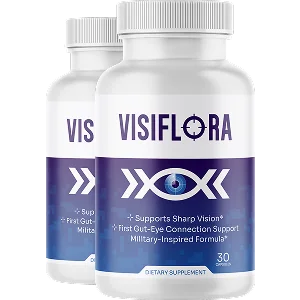
VisiFlora
Its sales page promotes a "gut-eye barrier" blend, but the link is not established for this product. Lutein, zeaxanthin, zinc and vitamins C and E relate to AREDS-type research in people with AMD, while quercetin, rutin and coleus forskohlii have no good evidence for a gut-eye effect, and amounts are not disclosed.
Listed ingredients: Astaxanthin, Vitamin C, Vitamin E, Copper, Selenium, Chromium
TheyaVue
Lutein, zeaxanthin, vitamins C and E and zinc relate to AREDS-type research in people with AMD, but the page makes no gut-eye case, and bilberry and rutin lack good evidence for it. Only 8 of 24 claimed ingredients are named, and no amounts are given.
Listed ingredients: Lutein, Zeaxanthin, Vitamin C, Calcium, Vitamin E, Bilberry Extract
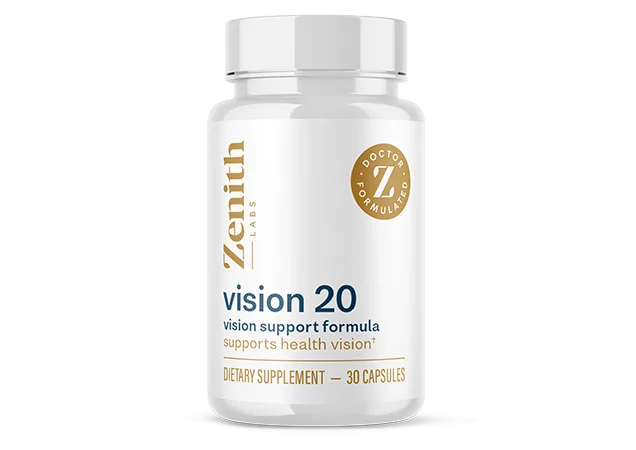
Vision 20
Lutein, zeaxanthin, zinc and beta-carotene relate to AREDS-type research for AMD, not to the gut-eye axis, and smokers should avoid beta-carotene. Lycopene, taurine, rose hips and grape seed extract have no good evidence for this topic.
Listed ingredients: Lutein, Zeaxanthin, Zinc, Beta-carotene, Lycopene, Rose Hips
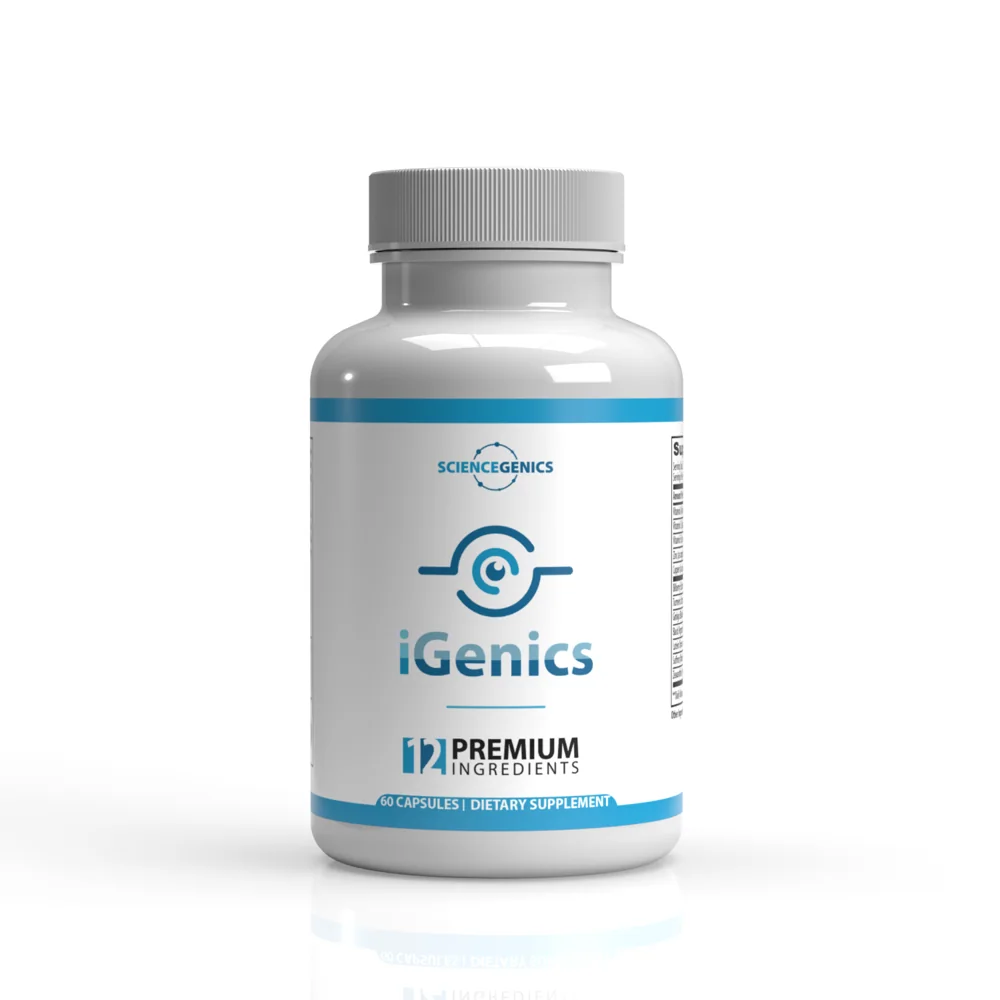
iGenics
Its unspecified AREDS-2 ingredients relate to research in people with AMD, not to the gut. Turmeric, saffron, ginkgo and bilberry have no good evidence for a gut-eye benefit, and ginkgo may interact with blood thinners.
Listed ingredients: Ginkgo biloba, AREDS-2 formula ingredients (not itemized), Bilberry, Saffron, Turmeric + BioPerine
Frequently asked questions
Is there a gut eye connection?
Researchers have proposed one, and reviews describe possible links between gut microbes, inflammation and several eye conditions[2]. However, the evidence is mostly from animal and association studies, so cause and effect is not established[1].
Can probiotics improve eyesight?
The reviews do not show that probiotics improve eyesight or protect vision. The research on gut microbes and the eye is still early[2]. An eye doctor can advise on any vision change.
Does gut health affect dry eyes?
A 2024 review explored how gut microbiota may relate to dry eye disease, describing possible links rather than proven effects[4]. For persistent dryness, see an eye doctor, who can look for the cause.
What should I eat for eye and gut health?
The National Eye Institute recommends a healthy diet that includes dark leafy greens and fish[5]. A varied, fiber-rich diet fits this advice, though the specific eye benefit of gut changes is unproven.
Sources
- Adv Ophthalmol Pract Res 2025: Gut-eye axis (review)
- Prog Retin Eye Res 2023: the role of the gut microbiome in eye diseases (review)
- National Eye Institute: Age-Related Eye Disease Studies (AREDS/AREDS2)
- BMC Ophthalmol 2024: microbiota and dry eye, a review of the gut-eye axis
- National Eye Institute: Keep your eyes healthy
- NIH Office of Dietary Supplements: Vitamin A fact sheet
- American Academy of Ophthalmology: Computers, digital devices and eye strain
- National Eye Institute: Learn about eye health
- AREDS2 Research Group. JAMA 2013: lutein + zeaxanthin and omega-3 fatty acids for AMD